Pakistan is among the countries most affected by climate change. Its complex geography makes it especially vulnerable to extreme weather events, from landslides and floods to droughts and cyclones, the effects of which are compounded by deep socioeconomic inequalities. When these devastating events occur, homes and livelihoods are destroyed, essential infrastructure is damaged, and the risk of conflict grows – making climate change both unpredictable and dangerous.
For women, the danger is even greater. Women in Pakistan make up a majority of the country’s agricultural workforce, and often have to work harder and walk farther to secure food, water and other necessary resources in severe weather conditions. Yet they are still too often shut out of the economic, educational and decision-making opportunities that could help them prepare for, survive and recover from climate-related disasters.
Which is why our local partner, HIVE, works alongside communities in climate-vulnerable parts of Pakistan on projects that incorporate both climate action and women’s empowerment. By combining practical skills and locally led solutions with inclusive conversations about peacebuilding, HIVE helps make concepts such as cooperation and conflict resolution feel relevant and applicable to women’s everyday lives.

A donation from you could help peacebuilders facing the brunt of the climate crisis to respond rapidly when disaster strikes.
For many women in Islamabad and Rawalpindi, job opportunities are limited and incomes are low. The resulting social isolation can make it difficult for Muslim and Christian women to build relationships with one another. In 2025, our partner HIVE set out to bring these women together through kitchen gardening – using it as a pathway to peacebuilding, climate action and entrepreneurship.
The initiative began with interactive training in conflict resolution and business development. Women then gained hands-on experience in kitchen gardening and received gardening kits of their own. A Kitchen Gardening Cooperative group became a place for participants to stay connected, while follow-up meetings allowed them to celebrate progress, talk through challenges and continue their learning together.
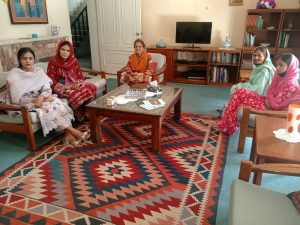
A group of women participate in a Kitchen Garden Cooperative meeting. Pakistan, 2026.
The kitchen gardens gave women more reliable access to sufficient, nutritious food. Within two months, they were cooking with home-grown vegetables, reducing their dependence on shopping at markets and allowing them to save money.
On average, they saved more than 2,000 rupees a month – a welcome relief for families facing financial pressure.
Rozina, a Christian participant at the Peace & Kitchen Gardening Cooperative meeting in Islamabad, shared how the gardens had made a difference to both her wellbeing and her household budget:
The initiative highlighted the importance of flexibility in locally led peacebuilding. Some women found it difficult to attend meetings due to family dynamics, while others were unable to participate in full-day training sessions because of conflicting household responsibilities. But by encouraging participants to share knowledge and skills with other women in their communities, the initiative helped extend learning beyond the training sessions, enabling the women who were unable to attend to benefit too.
And the impact reached far beyond the gardens themselves. Women developed their confidence, built relationships across religious divides and learned new ways to resolve conflict peacefully – which they later shared with family members, neighbours and friends. The next step is to turn their kitchen gardens into home-based businesses. With additional support, many of the women have the potential to do this, creating a sustainable source of income and greater independence.
Kiran, the project lead, reflected on the project’s wider impact:
And Hina, a Muslim participant at a training on Conflict Resolution and Business Skills in Rawalpindi, said: “There should be more such workshops where housewives like me interact with women from other faiths and backgrounds.”
HIVE’s gardening initiative shows the lasting value of investing in women-led community networks. It leads to strengthened, more harmonious communities that sustain themselves and continue to grow.

A donation from you could help peacebuilders facing the brunt of the climate crisis to respond rapidly when disaster strikes.