Speaking at the Labour Conference in September, Ed Miliband expressed his wish for ‘resilient idealism’. He was right when he said it’s hard to change the world, and it’s hard to continue getting back up. But the people we work with are amongst the most resilient people we know. Day in, day out they to do the difficult work despite working in some of the world’s most conflict-affected countries. Their resilience is what inspires us.
We also agree that we should advocate for idealism. One in which we stand up for what’s right. In an idealistic world, people impacted by conflict would have a say in the solutions that affect them. They would be heard when they tell us they know how to support their communities, and they would be supported to make it a reality. Alongside our partners, we have been telling the UK government how they can support the resilience and ideas of people living through conflict. Today, we reiterate those calls because idealism without action is just a speech.
As we enter the fourth year of the genocide in Gaza and witness ongoing ethnic cleansing in the West Bank, the Labour government has admitted its mishandling and declared “to the millions of people in this country and indeed elsewhere who have been moved and outraged by the plight of the Palestinian people – we hear you, you were right.”
For years, the UK public has been campaigning in solidarity with Palestinians. They have written to MPs, attended marches, signed petitions, demanding the government act. The Foreign Secretary’s comments are welcome, but they come following years of pressure from politicians, INGOs, activists and more. We know action matters much more than words and three years on from the start of the genocide, Palestinians need to be heard, and they need action.
A Palestinian peacebuilder put it clearly in 2024 with a message to us all, “turn your activism from a reaction…to a systematic way of life with a justice perspective, pressing to end impunity in all atrocities.” That is the shift this moment demands, further government commitment to action over impassioned words at a party conference.

Local peacebuilders don't wait for speeches to start saving lives. Their work is difficult and often dangerous. It can be messy, but they are saving and changing lives every day.
A monthly contribution will help us be there for local people in communities across Palestine, Ukraine and beyond long after global media has moved on.
Ed Miliband stressed that this government will no longer be silent about injustice. However, what we have seen in Palestine is not one specific failure of justice, it is a result of how international systems are built. A system that leaves a minority group – detached from the realities of war – with the majority of power. For decades, we have said that a just and sustainable peace can only be built by people within their communities on their own terms.
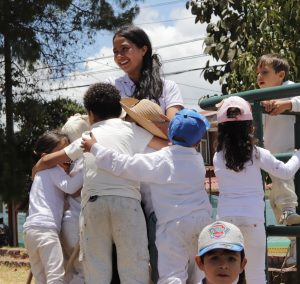
REDEPAZ 2026 – Pathways to Peace
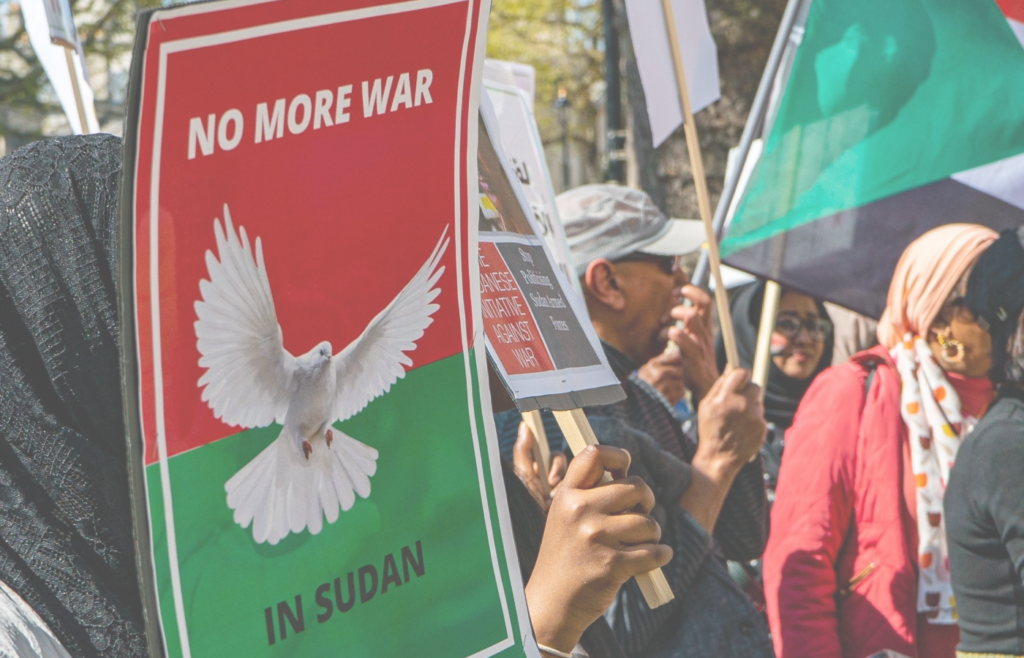
People living through conflict have knowledge and solutions that international systems routinely overlook. From Emergency Response Rooms feeding thousands in Sudan, to giving young people alternatives to armed groups in Colombia, our partners have found solutions that work. What they need now is not merely recognition, but a genuine say in the policy that affects them.
International solidarity that continues to exclude the people it seeks to help is not solidarity. If the UK government wants to be the leader it claims to be, it needs to shift power, not just attention, to those who have the knowledge to lead, starting with who shapes the policy that governs their lives.
We know that peace works. In a recent report, along with 10 other organisations, we shared how the UK government can renew its ambition to support sustainable peace in an increasingly volatile world. Changing the ‘status quo’ requires a forward-thinking approach, but that thinking has already begun.
As Kit Dorey, UK Advocacy & Policy Manager, put it: “The only logical solution to countering conflict is to invest in peace. Peace works, we’ve seen how essential local communities are to building it. It’s time the UK government understood the same.”
We have to champion local peacebuilding with actions, not just words. Peace provides the foundation for global security, improved global health, strong economies, and more. This idealistic world is possible, but it needs to be more than aspiration. It needs local people in the room – and the UK government needs to listen.

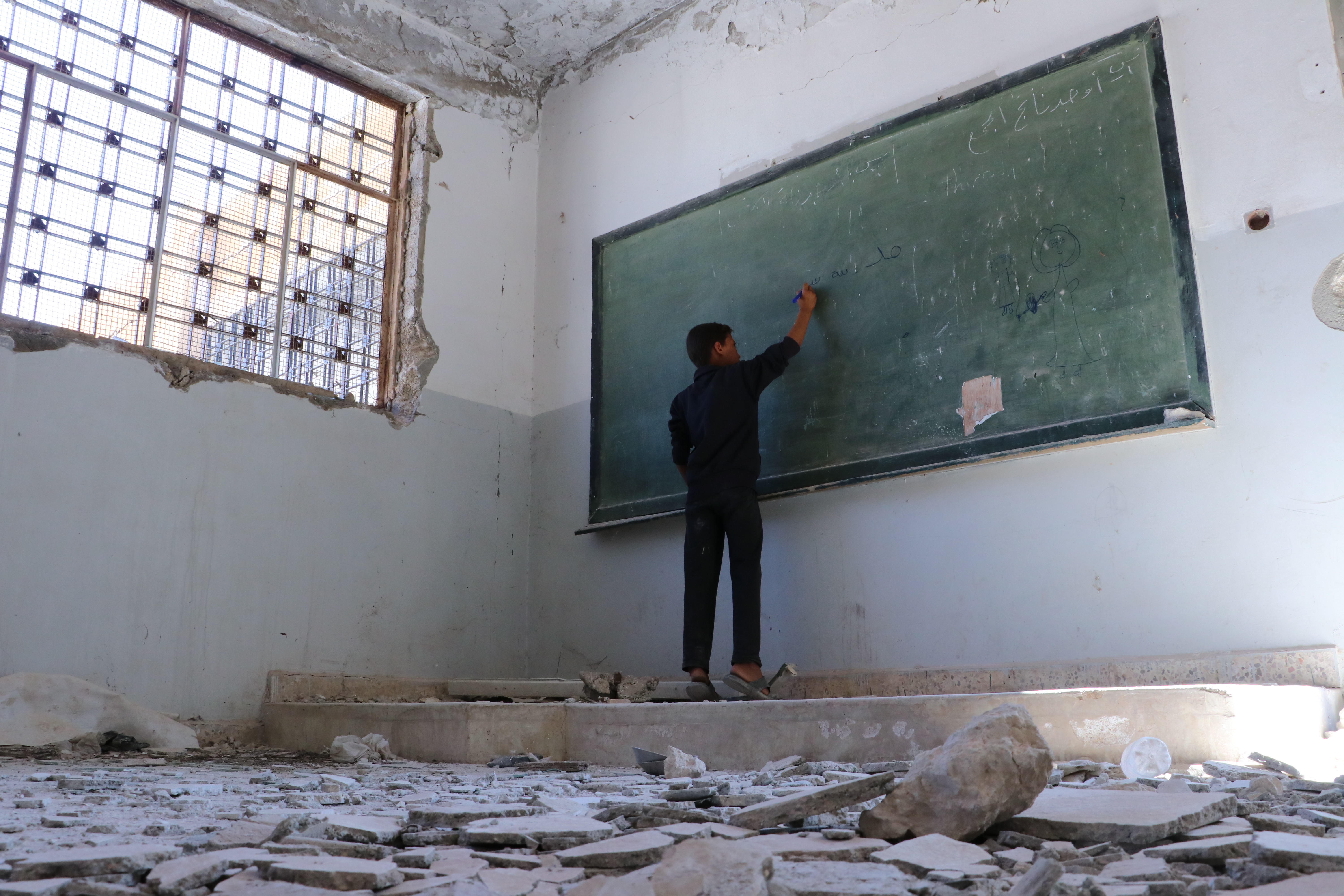
245,000 people were killed in conflicts last year. Sudan, Palestine and Ukraine suffered the worst of it.
In the face of such violence, local peacebuilders are already acting. They need support to keep going.
With your monthly support, local peacebuilders can keep rebuilding their communities in the way they know works.