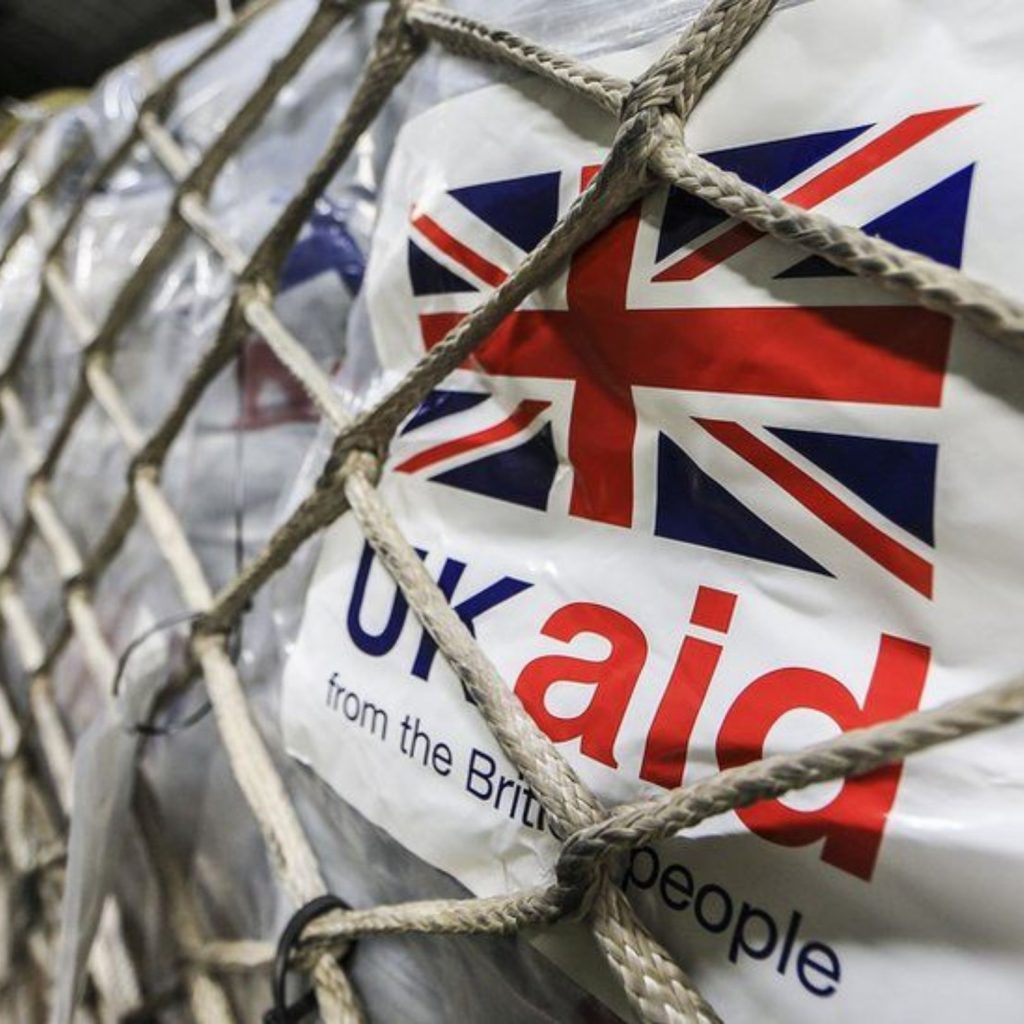
This week, the UK is hosting a major international event, the “Global Partnerships Conference”. Originally proposed last year in the wake of major US and UK cuts to international spending, the agenda has since expanded to include private finance, tech and AI.
As Global North governments are cutting their development and peacebuilding programmes, re-directing funds towards military expenditure and defence, we must ask ourselves: What gives the UK the right to lead this urgent conversation?

The global aid system is in freefall. But crisis can also be a turning point. Our new report, From Aid to Solidarity, brings together the voices of over 400 change-makers from more than 70 countries to ask: what should come next?
Since 2020, Peace Direct has been part of the movement to decolonise international development. Through our research, programmes and advocacy: We’ve shown that changes in the system won’t come through incremental tweaks or supporting the status quo. What we require is a fundamental shift in power and resources towards local communities in the Global South.
But these changes won’t come about through conversations led and agendas set in the Global North. Nor will they come through events held in London that shut out the vast majority of local civil society voices – especially those crucial to addressing the conflicts and other challenges that affect them most directly.
While private finance and tech are likely to play a role, we cannot allow these to be pushed by powerful governments and elites in a way that serves their own interests.

As world leaders laud Trump as the ‘Peace President’ − the 'eight wars' he has 'ended' are, at best, frozen rather than resolved. Only long-term, locally-led efforts will create lasting peace for the people living in these conflict affected communites. Donating is the easiest, most direct way you can support them today.
Ever since cuts to global development spending were announced, Peace Direct has consulted closely with civil society across the Global North and South on their vision for international cooperation going forward.
The many experienced people we spoke to see a future where we focus on international solidarity, equitable partnerships and collaboration, rather than charity or “aid”. Where unrestricted, flexible resources are shared directly with local communities. Where powerful countries acknowledge past wrongs and lead with trust and repair. And where investment is put into infrastructure and systems so local people can share decision-making at all levels.
Global North governments, institutions and international INGOs can still support this shift by enabling Southern leadership on the issues that impact them. They can give up space and take active steps to address the harms that are being done through our countries’ economic and foreign policies. This includes resolving the unfair influence of powerful countries on the international stage, through debt relief and building more democratic global institutions. It also means ending harmful military actions that are destabilising the Global South as we speak.
Sign up now to show your support for local peacebuilders, and keep updated on all the ways you can support them.
Sign up now
We believe the voices of local peacebuilders are not only beneficial, but a vital part of any conversation on the future of international cooperation. Whatever is agreed in conferences held in countries like the UK, it’s what happens outside of them that matters most. We call on governments, international organisations and NGOs to commit to the deep, genuine change needed to deliver a world where local communities and civil society can lead the way. Otherwise, we risk complicity with a system that has already caused so much harm.