In early 2025, the peacebuilding sector was shaken by sweeping funding cuts to international development and cooperation. The United States Agency for International Development (USAID) was heavily defunded and effectively dismantled. The UK cut foreign aid by £6.1 billion to increase defence spending. Countries across Europe, including Germany, France and Sweden, have also heavily reduced their commitments.
January 20th marks one year since USAID cuts were first announced in the US, and February will mark a year since the UK cuts. In the months that followed, the development, humanitarian, global health and peacebuilding sectors saw crucial funding sources rapidly dry up, forcing many to abandon crucial work.
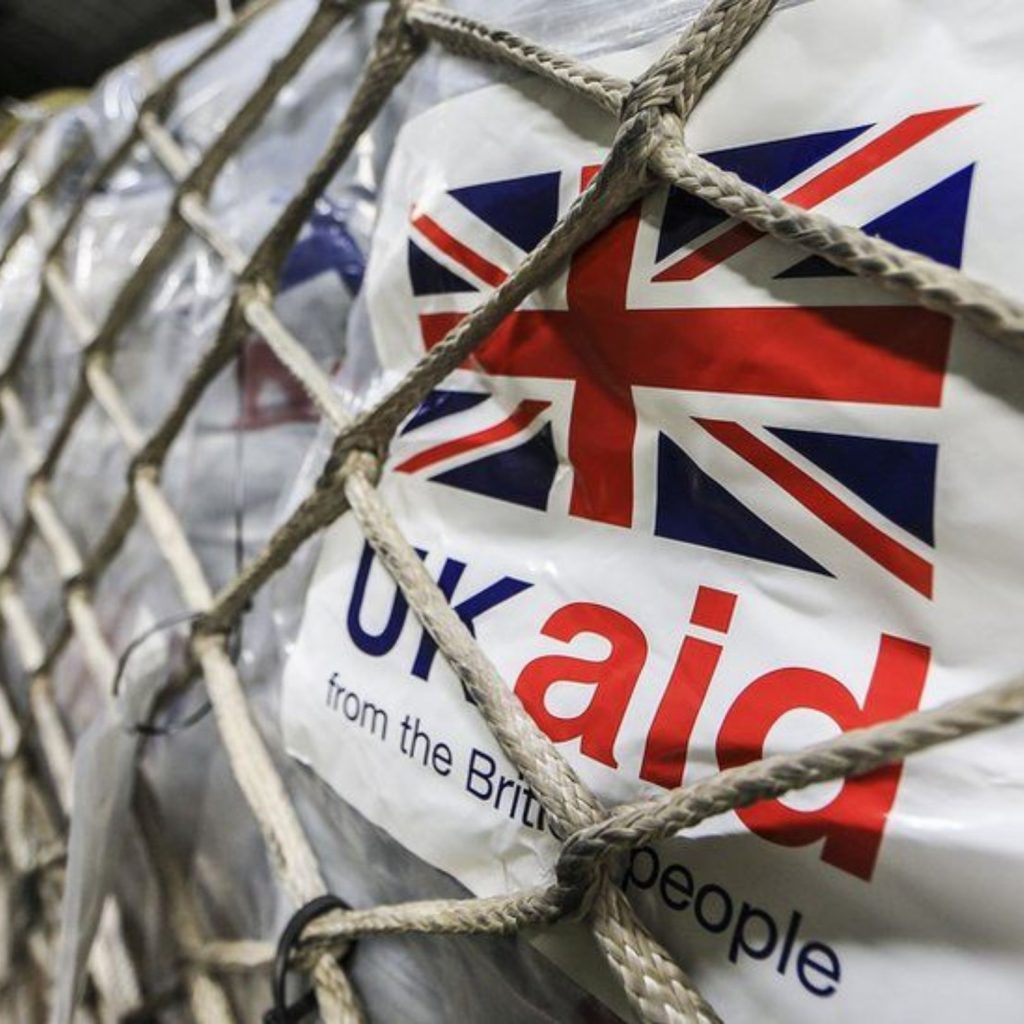
Governments around the world have cut aid to conflict zones. The US alone has cut more than £50 billion of aid, putting 14 million lives at risk. In Gaza, Sudan, Mali and the DRC: The need for international solidarity and support has never been greater.
This sudden, forceful halt to funding and programmes created global shockwaves. And local communities were hit the hardest. Hundreds of stories emerged from our partners and friends across the Global South, many telling of the dangers posed to the lives and security of their communities.
Long-term planning has become incredibly difficult for local peacebuilders. As they’ve been forced to adapt, staff and community members have faced intense psychological strain and professional disappointment, too.
As Western governments have turned away, the pressure on local peacebuilders has deepened. They have been left to find creative ways of adapting, in order to continue their direct support to people living through conflict. Communities that have historically relied on international funding are doing everything they can to pick up the pieces and make ends meet.
As peacebuilders can no longer rely on international government funding: the challenges faced by war-affected communities are increasing.
But local peacebuilders, and their organisations, are already taking steps to protect their work and secure their futures.
We’ve spoken to hundreds of organisations and community leaders from across the development, peacebuilding and humanitarian sectors to find out how they’ve been responding.

Show the world you stand for peacebuilders with a STOP FUNDING WAR t-shirt or tote bag. All profits support local peacebuilders and their lifesaving work in war-affected countries such as Syria, Somalia and Afghanistan.