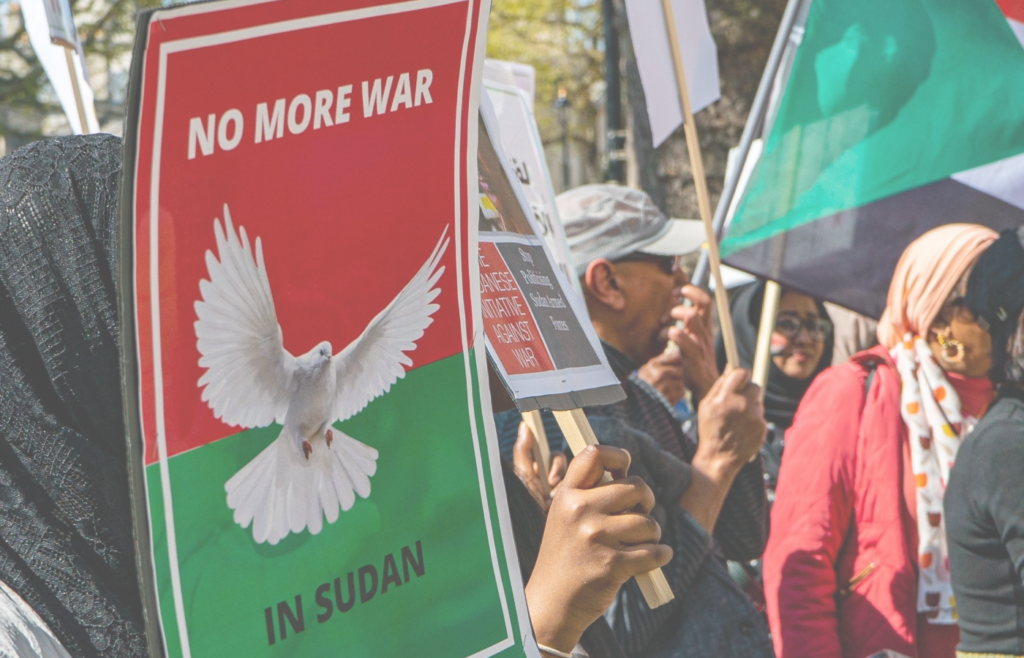
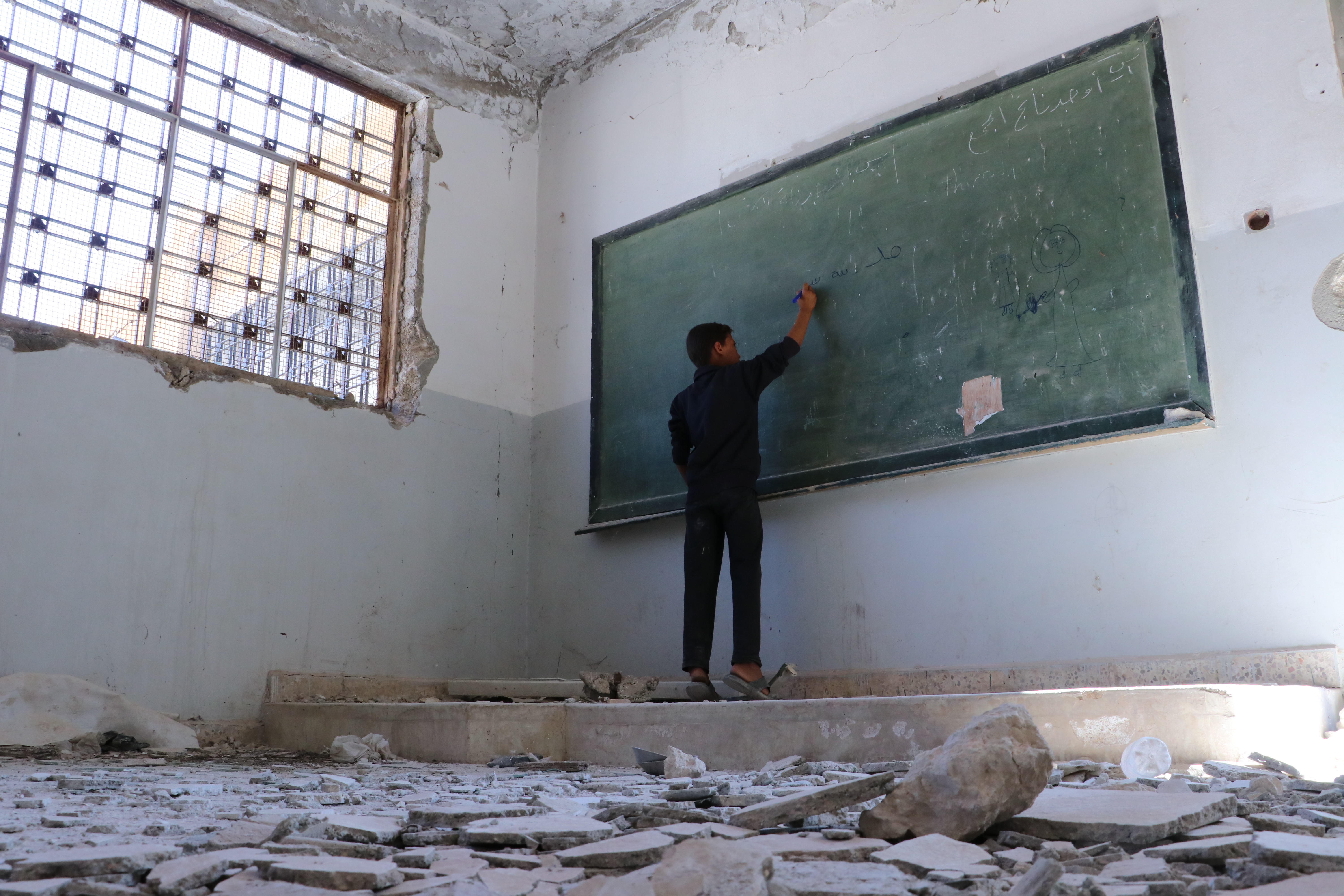
Sudan is living through one of the worst humanitarian crises on earth. Since conflict erupted in April 2023, millions of people have been displaced, food systems have collapsed, and violence has torn communities apart. Yet Sudan has barely broken through the noise of global headlines.
Against this turbulent backdrop, our partner Adeela – a youth-led organisation founded in 2018 – remains committed to peace, social justice and human rights. Their efforts have reduced local conflicts, improved community relationships, and heightened peacebuilding awareness, particularly among youth groups.
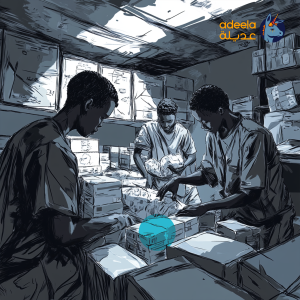
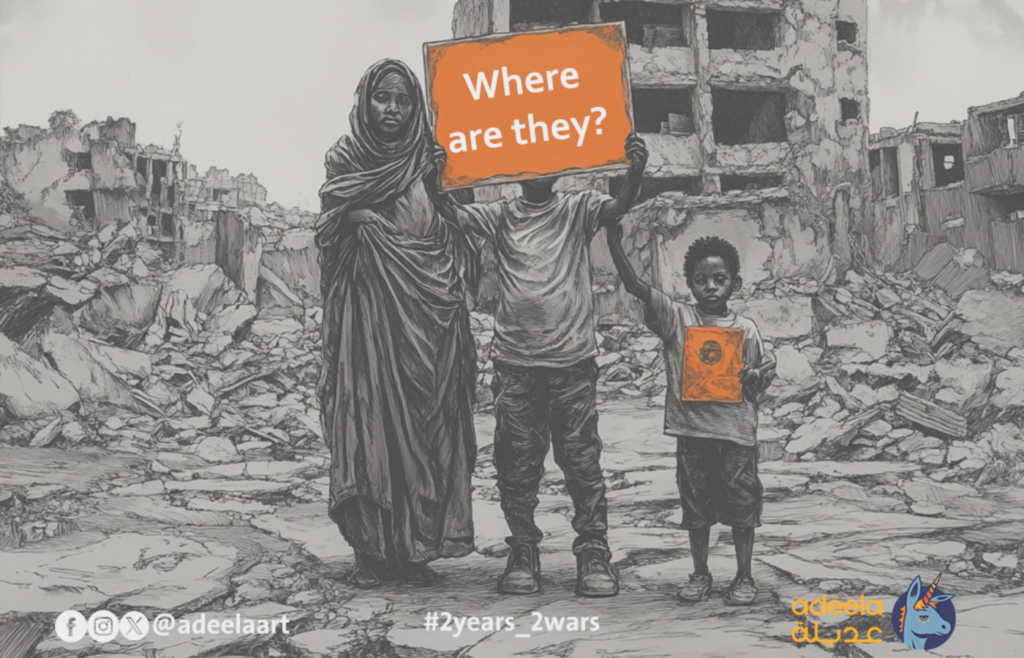
Illustration of Sudan’s ERRs by Adeela.
In 2025, together with Elayam Centre and a network of community volunteers, Adeela helped establish Emergency Response Rooms (ERRs) – a grassroots initiative so significant it was nominated for the Nobel Peace Prize. The ERRs operate independently and without the bureaucracy of formal donor systems or international agencies. They are fast, flexible and answerable to the communities they serve.
The scale of what they have achieved is extraordinary. In El Fasher, community kitchens run through the ERR network feed 12,000 people every single day. Four more kitchens are also running in Dilling, whilst another serves patients in hospitals in Kadugli.
The ERRs have proved especially vital in eastern Sudan, where displaced people are living in severely overcrowded conditions, which has heightened the risk of disease outbreaks and fuelled tensions with host communities. In these circumstances, through strong local coordination and a spirit of collective action, the ERRs have become a lifeline.
Women-led ERRs have been at the heart of this effort – coordinating kitchens, organising grassroots initiatives, and doing the quiet, ongoing work of keeping communities functioning. These women-led ERRs have also helped spotlight the disproportionate burden displacement places on women, as well as the systemic violence they suffer.

Our local partner in Sudan, Adeela, are feeding thousands. They are rebuilding communities and laying the groundwork for lasting peace.
A small, monthly committment will help peacebuilders in Sudan, and around the world, continue their lifesaving work.
What makes the ERR model different is not just what it does, but how it does it. Traditional humanitarian responses too often arrive with pre-packaged solutions – food that doesn’t reflect what people eat, or aid that bypasses the people it is meant to serve. The ERRs do the opposite: displaced and host communities are consulted at every stage, setting their own priorities and shaping their own response.
Sudan’s ERRs are proof of something we have long known: the people closest to a crisis are its most capable responders. When they are trusted and resourced to lead, they don’t just survive. They build the foundations of peace.