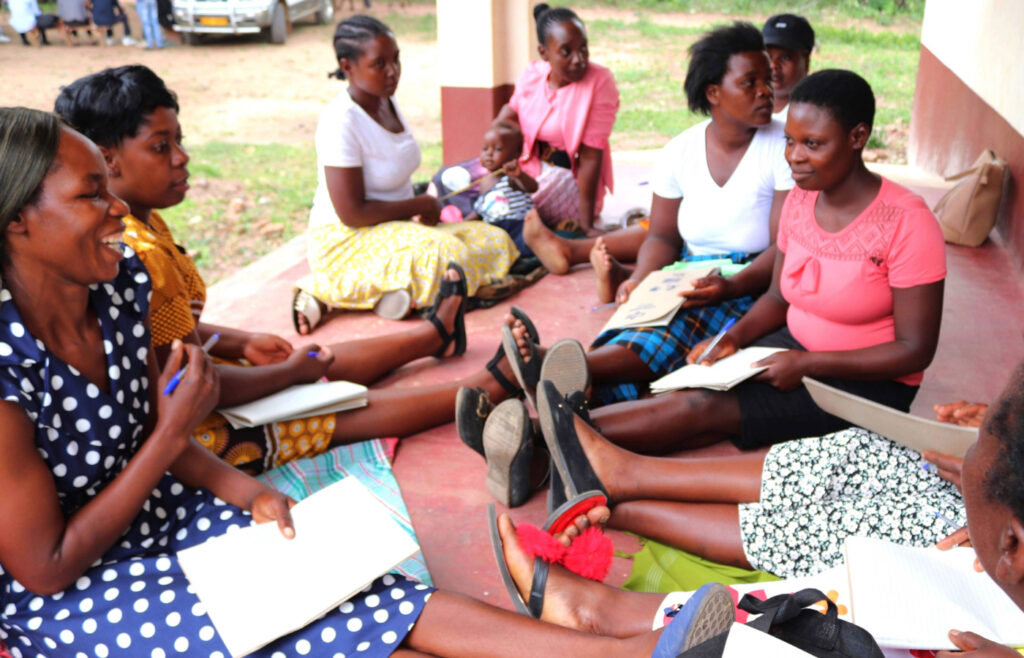
Under Taliban rule, Afghan women have had their rights stripped away and their movements restricted. Speaking openly about women’s rights is not only difficult, it can be dangerous. And yet, across provinces, twenty grandmothers are doing exactly that. Trusted groups of local grandmothers have not only helped women access vital support services, but provided an alternative means of conflict mediation.
Supported by our local partner organisation in Afghanistan, two Grandmother Groups have been quietly and courageously building peace. The grandmothers in either group – ten each in the provinces of Bamyan and Nangarhar – meet regularly to share experiences, support women in need, and create a space where unseen struggles can be named and addressed. Beyond reducing social isolation among the grandmothers themselves, the groups have given the women a practical means of working together on behalf of their communities.
Grandmothers occupy a particular place in Afghan society – their age commands respect, and their presence raises fewer alarms. The credibility that they have earned simply by knowing their communities deeply is what makes them so effective. At present, women’s voices in Afghanistan often go unheard, particularly when it comes to mental health issues. Against this backdrop, the initiative has leveraged the respect garnered by the grandmothers to defuse domestic tensions and promote women’s rights.
When a woman is in a crisis, these grandmothers are there to help, offering educated support. In particular, the grandmothers have looked to identify women facing physical violence, psychological distress or other social challenges, providing referrals to mental health services where necessary.

With so much conflict in the world today, it's easy to feel helpless. But making a monthly commitment to support local peacebuilders is something you can do right now to help make a difference.
The grandmothers have also taken their place at local mediation platforms alongside community elders, women and young people – offering a meaningful alternative to formal justice systems that many women and other marginalised groups cannot access or do not trust.
None of this is easy. Our local partner operates under severe constraints, navigating logistical and security challenges that would deter many organisations. The grandmothers themselves have shown remarkable perseverance. Despite these obstacles, our partner has managed to ensure a calm, safe environment for these activities to take place. The result has been stronger women’s protection networks, trusted conflict resolution channels, and meaningful support for vulnerable women.
This story originally appeared in our 2025 Impact Report.